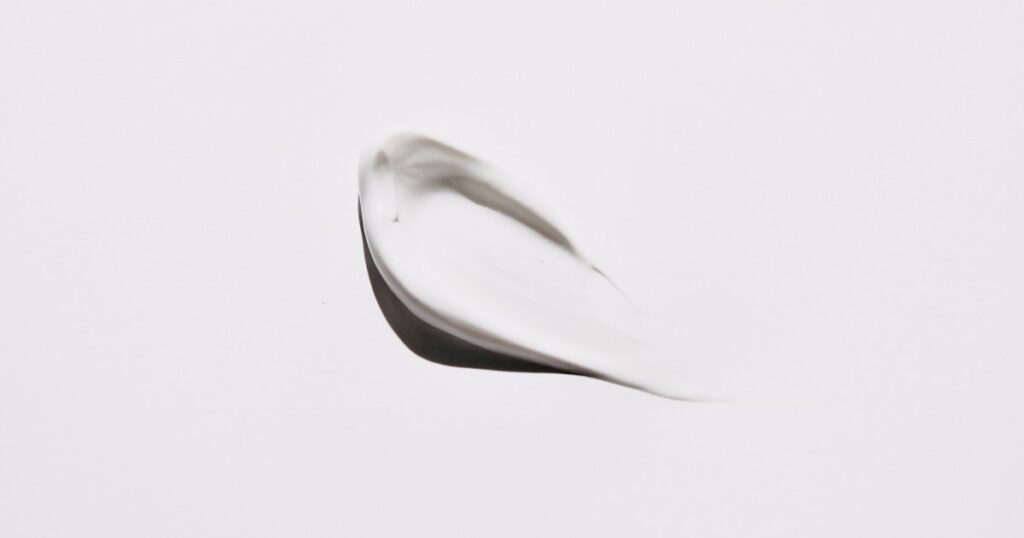
I get this question constantly. Someone wants to start using a high end retinol cream for beginners and they have no idea where to begin. The luxury market is full of products that promise everything and deliver mixed results. I’ve spent years testing these, and I want to give you a straight answer.
Before we get into specifics, let’s talk about what you actually need to know. Retinol is vitamin A. It speeds up cell turnover. That’s why it works for fine lines, texture, and dullness. And that’s also why it can irritate skin if you jump in too fast.
Why Beginners Need to Start Slow With Retinol
I made the mistake of going straight to a strong retinol when I first started. My skin peeled for two weeks. It was not cute. The high end retinol cream for beginners category exists for a real reason, not just marketing.
Starting slow means your skin barrier has time to adjust. Less irritation, less peeling, better long-term results. Luxury brands tend to formulate with better delivery systems and supporting ingredients that buffer the retinol. That’s actually where the price difference can be justified.
You also want to think about your current routine. If you’re already using acids or strong actives, adding retinol on top needs careful planning. I always tell people to introduce one new thing at a time.
 |
Editor’s Pick La Mer The Concentrate $385 La Mer The Concentrate uses their signature Miracle Broth base, which makes it feel incredibly rich without sitting heavy on the skin. It’s genuinely one of the most soothing options I’ve tried, but the price tag is brutal for a product that isn’t strictly a retinol. As an Amazon Associate I earn from qualifying purchases. |
What to Look For in a Luxury Retinol Formula
Not all retinol is created equal. Concentration matters, but so does the surrounding formula. The best high end retinol cream for beginners will have buffering ingredients like ceramides, peptides, or hyaluronic acid alongside the vitamin A.
I look at the ingredient list before I look at the marketing. A product can cost $400 and still have a mediocre formula. I’ve seen it. The packaging is beautiful and the claims are big, but the actual active ingredients are disappointing.
Encapsulated retinol is worth seeking out. It releases more slowly into the skin, which means less irritation. Several luxury brands use this technology now and it genuinely makes a difference for first-time retinol users.
 |
Editor’s Pick SK-II Facial Treatment Essence $185 SK-II Facial Treatment Essence is built around Pitera, a yeast-derived ingredient that supports cell turnover at a gentler pace than traditional retinol. The watery texture absorbs fast and works well under everything, though sensitive skin types may still want to patch test first. As an Amazon Associate I earn from qualifying purchases. |
How I Tested These Products
I used each product for at least three weeks. I introduced them one at a time into my routine and kept everything else consistent. I took notes on texture, absorption, how my skin felt in the morning, and whether I noticed any sensitivity.
I also paid attention to what happened after six weeks. Retinol results are not immediate. Anyone who tells you they saw dramatic results in three days is either exaggerating or using something very strong that their skin will eventually protest.
After three weeks with each product, I had a clear sense of the texture, the tolerance, and the early results. After six weeks, I could speak to whether the skin actually looked different. That’s the timeline you should be working with too.
 |
Editor’s Pick SkinCeuticals C E Ferulic Serum $182 SkinCeuticals C E Ferulic is a vitamin C serum that pairs with retinol routines rather than replacing them, delivering 15% L-ascorbic acid in a formula that actually stays stable. It smells a bit like hot dogs, and that never fully goes away, but the results make it worth tolerating. As an Amazon Associate I earn from qualifying purchases. |
The Case for Retinol Alternatives at the Luxury Level
Some of the products in this roundup are not technically retinol. I included them because beginners often do better starting with a gentler alternative that still delivers real results. Lactic acid, bakuchiol, and certain peptides can all support the same goals.
Lactic acid in particular is something I recommend to anyone who is nervous about retinol. It exfoliates chemically, improves texture, and supports cell turnover without the classic retinol purge or peeling phase. Sunday Riley Good Genes is the gold standard for this approach.
Once your skin is used to regular exfoliation and you’ve built up a solid barrier routine, adding actual retinol becomes much easier. Think of alternatives as training wheels, not a permanent substitution.
 |
Editor’s Pick Tatcha The Liquid Silk Canvas Serum $68 Tatcha The Liquid Silk Canvas Serum uses Japanese superfoods and a silky slip that preps skin beautifully for actives like retinol. It’s more of a prep step than a treatment, so don’t expect standalone anti-aging results from this one alone. As an Amazon Associate I earn from qualifying purchases. |
My Honest Recommendations Based on Skin Type
If you have dry or sensitive skin, start with something that has a heavy moisturizing base alongside the active. La Mer The Concentrate is the most soothing option I tested. It calms while it works, which is exactly what reactive skin needs.
If you have oily or combination skin, you can handle a slightly more active formula. The SkinCeuticals C E Ferulic is a great pairing with retinol because the vitamin C works during the day while your retinol does its job at night. They’re complementary, not redundant.
For normal skin that’s just looking for a starting point, SK-II Facial Treatment Essence gives you cell turnover support without committing to a full retinol. After three weeks, I noticed my skin looked more even and my pores looked smaller. It’s a gentle but legitimate starting point.
One thing I want to be clear about: no single product is going to do everything. The best high end retinol cream for beginners is the one that fits your skin, your routine, and your budget. Spending more does not always mean better results. But in the luxury category, you are often paying for gentler formulas, better textures, and more thoughtful ingredient combinations. For a beginner, that can make the difference between sticking with retinol long enough to see results and quitting because your skin freaked out.
Start slow. Patch test. Give it six weeks before you judge. And stop changing your whole routine every two weeks because you read something new online. Consistency is what actually works.
 |
Editor’s Pick Sunday Riley Good Genes Lactic Acid Treatment $122 Sunday Riley Good Genes uses lactic acid instead of retinol, making it a smart first step into chemical exfoliation for beginners who aren’t ready to commit to vitamin A. The glycerin base keeps it from stripping your skin, but it can sting on broken or very dry skin. As an Amazon Associate I earn from qualifying purchases. |
As an Amazon Associate GlowReview HQ earns from qualifying purchases at no extra cost to you. We only recommend products we have tested ourselves; affiliate commissions never influence our rankings.
